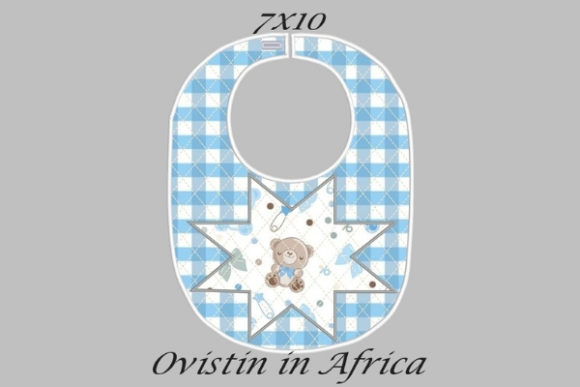
Blue Star Adorable Baby Bib Small
A Designer’s First Look: Sweet, Simple, and Stitch-Ready
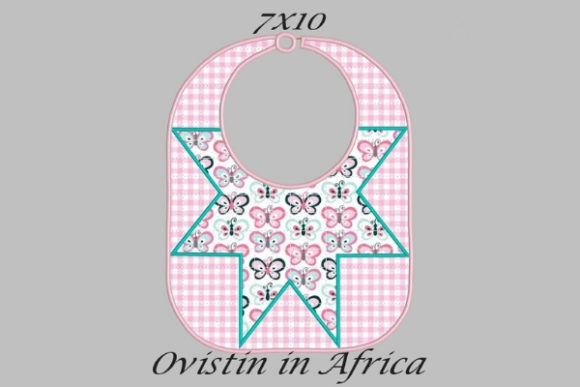
When I unzipped the embroidery file for Blue Star Adorable Baby Bib Small, my first thought wasn’t “cute”—it was “clearly intentional.” The shape is compact and balanced, with soft curves that suggest gentle wearability, not just visual charm. As an embroidery designer who’s stitched hundreds of baby items for boutique clients and Etsy shops, I immediately saw how this design leans into its purpose: it’s not a standalone motif—it’s a functional, finished piece waiting to be brought to life. The double applique structure tells me right away that this isn’t meant for quick satin-stitch-only execution. It’s built for dimension, texture, and durability—especially important when you’re stitching for newborns who drool, chew, and wash constantly.
Where This Design Truly Shines in Real Projects
I recently used Blue Star Adorable Baby Bib Small as the centerpiece for a custom nursery gift set—three matching bibs, a burp cloth, and a muslin swaddle—all embroidered for a local baby boutique. What stood out wasn’t just how sweet the star looked, but how well the design held up across different fabric types and stitching conditions. On terry cloth towel backing (as described), the batting inlay gave just enough lift without puffing awkwardly. On lightweight cotton poplin, it stayed flat and crisp. And on a stretchy bamboo blend? With proper cutaway stabilizer and reduced top tension, it stayed aligned—no puckering or distortion.
This design fits naturally into small-scale commercial embroidery work: think Etsy sellers bundling personalized bibs with birth announcements, craft fair vendors offering same-day monogrammed sets, or small shop owners building cohesive nursery collections. It also translates beautifully into digital product previews—its clean silhouette reads well in printable mockups, even at thumbnail size. As a machine embroidery design, it’s got strong visual hierarchy: the star anchors the composition, while the subtle curve of the bib edge guides the eye without competing.
What to Watch For—Before You Hoop and Stitch
Because Blue Star Adorable Baby Bib Small uses double applique and a towel backing, it demands thoughtful prep—not just for aesthetics, but for longevity. Here’s what I check every time:
- Hoop size matters more than usual. The design’s proportions assume a modest hoop footprint. If your machine struggles with tight corners or frequent re-hooping, test stitch on scrap first—especially if you’re layering it onto curved surfaces like knit caps or rolled-edge blankets.
- Fabric texture changes everything. On napped fabrics like fleece or thick terry, the satin stitch border may sink slightly. On ultra-thin cotton gauze? You’ll want a tear-away + light cutaway combo to prevent show-through.
- Thread color contrast is non-negotiable. This isn’t a design that forgives muddy tones. I always preview it in black-and-white mockups to confirm legibility—especially if pairing it with pale blues, creams, or heathered grays common in nursery palettes.
- Wash testing is essential. Since it’s intended for real baby use, I run finished samples through three full wash/dry cycles before listing it as a handmade product. The towel backing and batting inlay hold up well—but only if stabilizer choice and stitch density are dialed in.
How It Elevates Your Craft Business—and Your Customers’ Experience
As a designer who reviews embroidery files for both personal joy and commercial viability, I pay close attention to how a design affects perceived value. Blue Star Adorable Baby Bib Small does something quietly powerful: it makes a simple item feel heirloom-quality. That’s huge for Etsy sellers pricing hand-finished goods or boutique owners curating gift-ready merchandise. Customers don’t just see a bib—they see care, intention, and craftsmanship. The professional finish described (towel backing + batting inlay) isn’t marketing fluff; it’s what turns a $12 blank into a $32 personalized gift.
It also supports brand consistency. Whether you’re embroidering for a single client or producing a line of nursery decor, this design reads as part of a thoughtful collection—not a random clipart add-on. Its scale works equally well on a tiny onesie pocket or a larger tea towel corner, making it versatile across product categories without feeling stretched or diluted.
Practical Designer Notes You’ll Want to Keep Handy
Before using Blue Star Adorable Baby Bib Small in your next embroidery project—or listing it in your shop—here’s my checklist:
- Test stitch on scrap fabric that matches your final product’s weight and stretch.
- Review stitch density: dense fill areas need airflow-friendly stabilizer; delicate satin borders benefit from topping.
- Confirm licensing terms—especially if selling finished products or digital embroidery files.
- Compare how it renders on light vs. dark fabric backgrounds using grayscale mockups.
- Check small details: corners, star points, and seam allowances should stay sharp, not fuzzy or over-stitched.
- Use proper stabilizer—not just for hold, but for drape. A stiff backing ruins the softness babies need.
- Remember: this is a finished bib design, not just an applique motif. Its success depends on how well the embroidery integrates with construction—not just how pretty it looks on screen.
Final Thought: A Design That Works as Hard as You Do
Blue Star Adorable Baby Bib Small doesn’t shout. It doesn’t need glitter or oversized lettering to make its case. It’s a grounded, well-considered embroidery file—one that respects the realities of baby wear, small-batch production, and customer expectations. Whether you’re stitching for a friend’s baby shower, building a holiday embroidery collection, or scaling a craft business, this design earns its place in your library by doing exactly what it promises: delivering sweetness, function, and quiet professionalism—stitch after careful stitch.