Enchanting Applique Heart Coaster
A Designer’s First Look: Soft, Sweet, and Purpose-Built
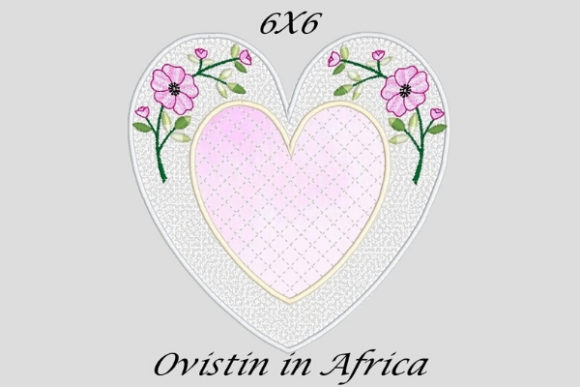
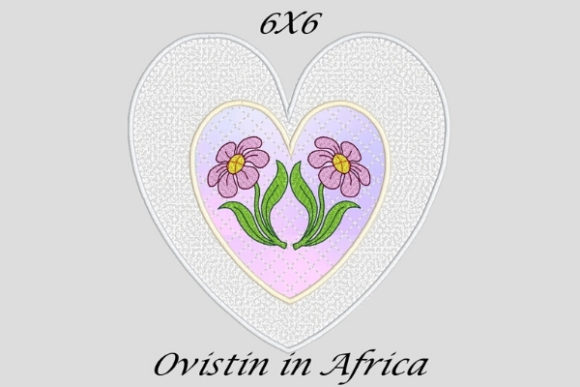
When I opened the Enchanting Applique Heart Coaster file, my first thought wasn’t “cute”—it was “intentional.” The heart shape is generous but not overwhelming—just under 5 inches wide—and its curves flow smoothly into delicate satin-stitched edges. There’s no fussy scrollwork or micro-detailing that would vanish on a coaster or blur on textured fabric. Instead, it leans into clean applique construction: a soft fabric base layered beneath smooth satin stitching, with subtle running-stitch accents tracing the contour. It feels like a design made *for* real use—not just for screen display. That matters when you’re stitching for clients, prepping holiday gift batches, or building consistent product lines for your craft business.
Where This Design Truly Shines
I recently used the Enchanting Applique Heart Coaster as the centerpiece for a set of personalized kitchen towels—part of a small-batch launch for a local boutique. We stitched it onto 100% cotton tea towels using medium-weight cutaway stabilizer and 40-weight rayon thread. The result? Crisp, dimensional, and instantly recognizable—even from across a counter. That’s the quiet strength of this design: it reads clearly at arm’s length, holds up in natural light, and carries warmth without looking saccharine.
It works especially well for:
- Personalized gifts: Think baby blankets (appliqued onto a minky-backed square), nursery wall hangings, or monogrammed aprons where the heart frames a name or date.
- Small shop merchandise: As a standalone embroidered patch sewn onto denim totes or canvas market bags—it adds handmade charm without demanding complex placement.
- Holiday and wedding embroidery: Paired with soft pink or ivory thread on linen napkins or guest towel sets, it reads elegant, not kitschy.
- Etsy seller assets: The included tutorials helped me quickly adapt the design for a printable mockup series—showing how it looks on light vs. dark fabrics, folded vs. flat—boosting buyer confidence before purchase.
Real-World Considerations Before You Stitch
Let’s be practical: not every surface welcomes an applique heart equally. The Enchanting Applique Heart Coaster performs beautifully on stable, medium-weight fabrics—cotton, linen, twill, even light denim—but tread carefully on:
- Stretchy or thin fabrics: Knits, jersey, or voile need extra stabilizer support (think tear-away + lightweight fusible) to prevent puckering around the satin-stitched perimeter.
- Curved or uneven surfaces: Caps or curved pillow covers require precise hooping and possibly re-hooping mid-stitch—this design’s clean layout helps, but don’t expect flawless execution on a baseball cap without testing.
- Dark or heavily textured backgrounds: The satin stitch shines best with contrast. On charcoal linen or bouclé, test thread colors first—sometimes a slightly lighter or deeper tone makes all the difference in legibility.
- Frequent-wash items: While the satin lining referenced in the description gives a polished back finish, remember that heavy laundering will stress raw applique edges over time. For baby clothes or kitchen linens, consider adding a narrow zigzag or satin border stitch as a finishing touch.
What It Adds to Your Finished Product—Beyond Aesthetics
This isn’t just about making something look nice. The Enchanting Applique Heart Coaster elevates perceived value. Customers notice the satin backing detail—the kind of finish that says “I paid attention,” not “I rushed.” When I showed samples to three Etsy sellers last month, two immediately asked about licensing terms for resale—they’d already pictured it on their best-selling tote bag line. That’s the signal: it supports brand consistency without shouting. It fits quietly into a collection of botanicals, minimalist motifs, or vintage-inspired kitchen goods.
For apparel decorators, it’s a low-risk entry into applique-heavy custom work—no tiny lettering to misalign, no dense fill areas that trap lint or stall machines. And for hobbyists building confidence? The 6×6 hoop size keeps setup simple, and the included tutorials walk through layer order, trimming, and pressing—no guesswork.
Designer Notes You’ll Want to Keep Handy
Before stitching your first batch—or listing your first finished product—do these five things:
- Test on scrap fabric that matches your final project’s weight and weave. Note how the satin stitch settles and whether the applique fabric lifts at corners.
- Check thread color contrast in both daylight and indoor lighting—what reads warm and rich in sunlight can look muddy under kitchen LEDs.
- Review stitch density visually in your embroidery software. If the satin stitch bands feel too tight or the running-stitch outline disappears into fills, adjust tension or stabilizer choice—not the design itself.
- Confirm hoop size compatibility with your machine. While listed as 6×6, always verify actual dimensions in your software preview—some files run close to the edge.
- Inspect small details at 200% zoom: are corners sharp? Does the heart’s dip at the top hold shape? These are the moments customers notice—and remember.
Final Thought: A Quietly Confident Choice
The Enchanting Applique Heart Coaster won’t dominate your portfolio—but it might become your most-requested repeat. It’s the kind of embroidery file that earns trust: consistent in execution, thoughtful in construction, and versatile enough to live across categories—Sewing, Embroidery, gifting, branding, and handmade product development. Whether you’re an Etsy seller refining your signature style or a small shop owner curating cohesive kitchen collections, this design doesn’t ask for attention. It earns it—stitch by careful stitch.